


-
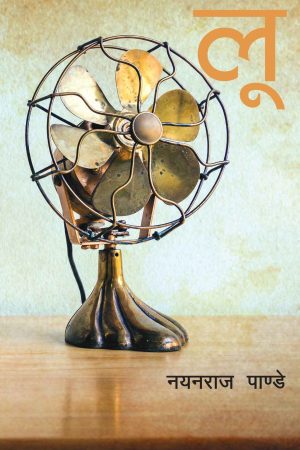
Publisher: Fine Print
-
Language: Nepali
-
Cover: Paperback
-
Pages: 251 Pages
-
Genre: Fiction
-
Author: Nayan Raj Pandey
-
ISBN: 9789937746540
Basanti By Diamond Shumsher Rana
₨ 350.00
In Stock
Highlights:
Book Title: Basanti
Author: Diamond Shumsher Rana
Publisher: Ratna Pustak Bhandar
Genre: Historical Fiction / Nepali Literature
Published Date: 2014
ISBN: 9789993302100
Description
Basanti by Diamond Shumsher Rana is one of the most celebrated works in Nepali literature, known for its rich storytelling and deep connection between personal narrative and historical events. At its core, Basanti is the story of a young village girl, Mithu, whose life takes a dramatic turn as she becomes entangled in the world of power, politics, and transformation during the rise of Jung Bahadur Rana, the first Rana Prime Minister of Nepal.
The novel begins with a simple yet emotionally charged encounter. Two young individuals, Jung Bahadur and Mithu, find themselves taking shelter from the rain under the same shade. In this quiet and intimate moment, they are drawn to each other and form a connection, promising to meet again. However, as the story unfolds, fate intervenes in unexpected ways.
When they meet again, the situation becomes far more complex. They discover that they are cousins—something that, in that historical period, did not prevent marriage. However, the real conflict lies elsewhere: Mithu is already married to Dambar Bahadur, who happens to be Jung Bahadur’s close friend. This emotional and moral tension becomes one of the driving forces of the narrative, creating a layered story of love, duty, and societal constraints.
As the novel progresses, Mithu’s journey becomes the central focus. From a simple village girl, she undergoes a profound transformation, eventually becoming “Kajini Basanti”—a title given to the wife of a member of the royal council. This transformation is not just social but deeply personal. Diamond Shumsher Rana carefully portrays how circumstances, power structures, and relationships shape her identity, choices, and destiny.
One of the strongest aspects of Basanti is how it weaves personal stories with historical events. The rise of Jung Bahadur Rana and the political shifts of the time are not just background elements—they actively influence the lives of the characters. The novel provides insight into the Rana era, highlighting power dynamics, court politics, and the rigid social structures that governed people’s lives.
The character of Basanti (Mithu) stands out as one of the most compelling figures in Nepali literature. Her journey reflects themes of transformation, resilience, and the impact of circumstances on an individual’s life. She is neither entirely a victim nor entirely in control; instead, she exists in a complex space shaped by love, power, and survival.
Diamond Shumsher Rana’s writing style is immersive and descriptive, bringing both the emotional depth of the characters and the historical setting to life. His ability to blend romance with political narrative makes Basanti more than just a love story—it becomes a reflection of an era and its influence on human lives.
Another key theme in Basanti is fate versus choice. The novel repeatedly shows how characters are caught between their desires and societal expectations. Mithu’s transformation into Basanti is not just a result of her choices but also of the circumstances imposed upon her. This tension makes the story emotionally powerful and thought-provoking.
Even today, Basanti remains highly relevant. Its exploration of love, power, identity, and societal pressure resonates with modern readers. The novel continues to be widely read and studied, not only for its literary value but also for its portrayal of an important period in Nepal’s history.
If you are looking for a novel that combines emotional depth with historical significance, Basanti by Diamond Shumsher Rana is an essential read. Order your copy today from Kitabharu, your trusted online bookstore in Nepal, and experience one of the finest works of Nepali literature.
Related products












Reviews
There are no reviews yet.